

Floodplain Rules and Edwards Aquifer Regulations: A Developer’s Guide for Central Texas Sites
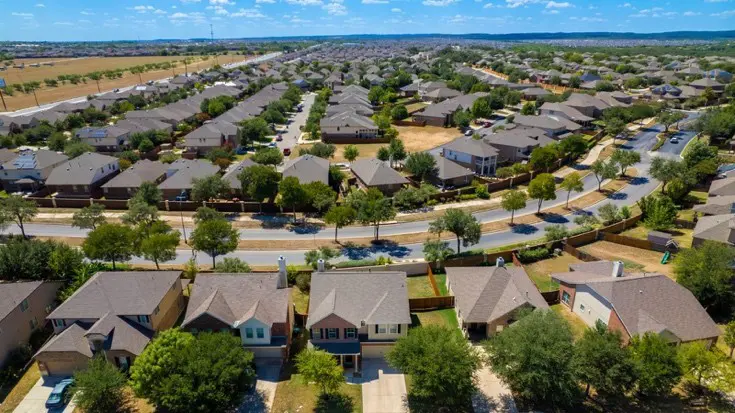
For developers, architects, and site-selection teams evaluating property in Central Texas, floodplain conditions and the Edwards Aquifer can have a major impact on a project.
These constraints do not necessarily make land undevelopable. But they can affect site layout, permitting, infrastructure costs, and project timelines. Identifying them early can help avoid expensive surprises later.
Key Takeaways for Central Texas Developers
- Development within the Edwards Aquifer Recharge Zone is possible, but additional environmental review and approval may be required.
- Floodplain regulations are separate from Edwards Aquifer requirements, and a property can be affected by both.
- Local requirements matter. Cities and counties administer their own development and floodplain requirements in addition to state and federal regulations.
- Early site evaluation can help developers avoid redesigns, permitting delays, and unexpected costs.
Can I Build on Land in the Edwards Aquifer Recharge Zone in Texas?
Yes, development can occur in the Edwards Aquifer Recharge Zone in Texas, but projects typically need additional planning and approval before construction begins.
The Texas Commission on Environmental Quality (TCEQ) regulates certain development activities over the Edwards Aquifer to protect water quality. In the Recharge Zone, a Water Pollution Abatement Plan (WPAP) is generally required and must be approved before construction, or major land disturbance begins.
A WPAP explains how the project will manage runoff and protect the aquifer during and after development. It may include a geologic assessment and temporary or permanent stormwater controls.
For developers, the key takeaway is that a site’s location in the Recharge Zone does not necessarily stop a project, but it can change the development path. That is why Edwards Aquifer development in Texas should be evaluated during early due diligence.
Why Does the Edwards Aquifer Matter for Central Texas Development?
The Edwards Aquifer extends across a large portion of Central Texas, including areas in Travis, Hays, and Williamson counties. That makes it especially important for projects around communities such as Kyle, Buda, Leander, Georgetown, and southwest Austin.
The Edwards Aquifer regulatory area includes Recharge, Transition, and Contributing Zones, and requirements differ depending on where a site falls, and what type of development is proposed.
Instead of assuming a property is clear because nearby land has already been developed, teams should confirm the specific conditions affecting the tract they are considering.
How Do Floodplain Regulations Affect a Development Site?
Floodplain considerations are a separate but sometimes overlapping part of Central Texas site selection.
A property within a floodplain may still be developable, but the floodplain can affect where buildings, roads, parking areas, and other improvements can be placed.
It may also influence:
- Building elevations
- Drainage design
- Grading and fill
- Detention requirements
- Roadway and access planning
- Floodplain permitting
Because requirements differ by jurisdiction, a property listing or FEMA map may not tell the whole story.
Understanding floodplain regulations in Central Texas gives the project team a clearer view of site constraints that could affect design, schedule, or cost.
What If a Site Has Both Floodplain and Edwards Aquifer Constraints?
Some Central Texas properties are affected by both floodplain and Edwards Aquifer constraints.
When that happens, the constraints should be evaluated together. Moving a building to avoid a floodplain, for example, may place it in an area where additional aquifer protections are needed. Stormwater or water-quality improvements may also require more space, changing the overall site layout.
Evaluating the conditions together helps the development team better understand the site’s true development potential.
Best Practices for Evaluating a Central Texas Site
Before moving too far into acquisition or design, developers should confirm:
- Whether the property is within an Edwards Aquifer regulatory zone
- Whether a floodplain crosses the site
- Which city, county, and state agencies have jurisdiction
- How drainage, utilities, access, and environmental conditions affect the site
- Whether additional permits or studies will be required
Bringing civil engineering into the process early can help turn these findings into practical site-planning decisions.
Frequently Asked Questions About Floodplains and the Edwards Aquifer
Ideally, these constraints should be evaluated during site selection and feasibility, before acquisition assumptions or a detailed site plan are finalized.
Yes. Floodplain boundaries and Edwards Aquifer regulatory zones address different conditions and can overlap on the same property.
In some circumstances, yes. However, local floodplain development regulations may affect building locations, elevations, grading, drainage, and permitting.
No. Development can occur, but regulated activities may require TCEQ review and approval, including a Water Pollution Abatement Plan for activity within the Recharge Zone.
Evaluating a Development Site in Central Texas?
Civilitude helps developers, architects, and project teams understand the site conditions that can shape a project and influence its path forward. With experience across Central Texas, the team helps clients evaluate development constraints, navigate permitting requirements, and make more informed decisions early in the process.
For teams evaluating property, Civilitude can provide the civil engineering insight needed to move from feasibility through permitting and construction. Contact us to get started
Related Posts
Equal Employment Opportunity Policy
The Company believes that all persons are entitled to equal employment opportunity and does not discriminate against its Employees or applicants because of race, color, religion, sex (including pregnancy), national origin, ancestry, age, marital status, citizenship status, disability, protected medical condition, military status, genetic information, or any other basis prohibited by applicable federal, state or local law. This policy extends to all aspects of our employment practices, including, but not limited to, recruiting, hiring, training, discipline, promotion, transfers, compensation, benefits, leaves of absence, termination, and all other terms and conditions of employment.